

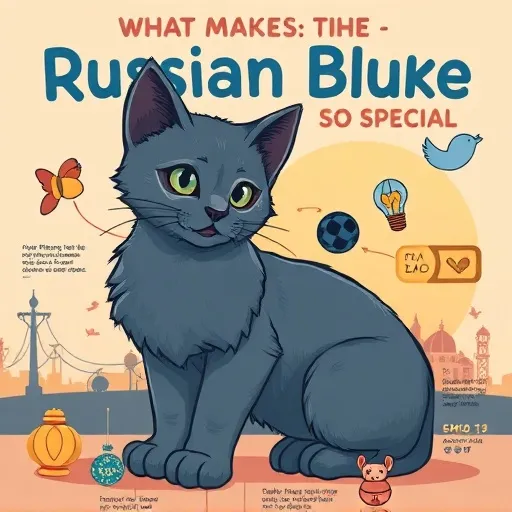
Russian Blue natural
What Makes the Russian Blue So Special?
The Russian Blue is a natural breed with roots that trace back to the port city of Arkhangelsk in northern Russia. Unlike many modern breeds developed through complex crossbreeding programs, the Russian Blue has maintained a fairly consistent appearance for centuries. That's a big part of what makes them so appealing to purists and cat lovers who appreciate a breed with genuine history behind it.
So what are you actually getting when you bring one of these cats home? Let's break it down:
- The coat: A dense, plush double coat that feels almost like velvet. It's a solid blue-gray color with silver-tipped guard hairs that give the fur a shimmering, iridescent quality under light. This silver sheen is one of the most striking features of the breed.
- The eyes: Bright emerald green in adulthood. Kittens start with yellow or amber eyes that gradually shift to green between four and eight months of age. That eye color progression is actually a key marker of authenticity.
- The body: Medium-sized, muscular, and athletic, with long legs and a sleek, elegant silhouette. They look like they could be runway models in the feline world.
- The personality: Gentle, intelligent, playful, and surprisingly loyal. They tend to bond deeply with one or two people and are known for being quiet and reserved around strangers.
One thing that surprises a lot of new owners: Russian Blues are not lap cats in the traditional sense. They love being near you, following you from room to room, but they often prefer sitting beside you rather than on top of you. Some people describe them as "dog-like" in their devotion, minus the slobber.
Distinctive Coat, Eye Color, and Personality Traits of Russian Blue Cats
The double coat of a Russian Blue isn't just pretty to look at. It actually serves a practical purpose by providing insulation and protecting the skin. The guard hairs being tipped with silver is what creates that iridescent effect, making the coat appear almost luminous in natural light. It's genuinely one of the most photographed cat breeds for a reason.
As for personality, Russian Blues strike a fascinating balance. They're affectionate without being clingy, playful without being chaotic, and intelligent enough to learn tricks and figure out puzzle toys. Many owners say their Russian Blue understands tone of voice and routines in a way that feels almost uncanny. They're also known for being creatures of habit, so keeping a consistent feeding and play schedule goes a long way.
Why Russian Blue Kittens for Sale Are in Such High Demand in 2026
Search interest in russian blue kittens for sale has grown steadily over the past few years, and 2026 trends suggest this isn't slowing down. Several factors are driving this surge:
- Apartment-friendly nature: With more people living in urban spaces than ever before, there's a growing need for pets that adapt well to smaller living environments. Russian Blues are quiet, clean, and content to lounge by a window for hours.
- Hypoallergenic appeal: Russian Blues produce lower levels of the Fel d 1 protein, a primary allergen in cat saliva and dander. Many people with mild cat allergies report fewer symptoms around this breed.
- Low-maintenance grooming: That gorgeous silver coat is surprisingly easy to maintain. Weekly brushing is usually enough to keep shedding under control.
- Health and longevity: Russian Blues are generally robust cats with fewer genetic health issues than many other purebreds. With proper care, they can live 15 to 20 years.
All of these factors combined have made russian blue kittens for sale one of the most sought-after search terms among prospective cat owners. If you're looking for russian blue kittens for sale, you're definitely not alone in the market right now.
How to Identify a Genuine Russian Blue Kitten vs. Mixed Breeds
Here's where things get tricky. Because russian blue kittens for sale are in high demand, unscrupulous sellers sometimes pass off mixed-breed gray cats as purebred Russian Blues. A domestic gray cat might look similar at a glance, but there are key differences.
- Coat texture: A true Russian Blue has a dense, plush double coat that stands slightly away from the body. Mixed breeds often have a flatter, single coat.
- Eye color progression: Kittens should have yellow or amber eyes that shift to green. If a kitten has blue eyes, it's not a Russian Blue.
- Body shape: Look for a medium-length, muscular body with fine bone structure. They should look elegant rather than chunky.
- Paw pads: Russian Blues typically have mauve or lavender-colored paw pads, not pink or black.
- Head shape: A short, wedge-shaped head with a flat top and prominent cheekbones. Not round like a British Shorthair.
Reputable breeders provide registration papers from recognized feline registries, pedigree charts, and health clearances for the parents. If a seller can't provide any of these, tread carefully. Some breeders also offer DNA testing results to confirm lineage.
Reputable Breeders, Rescue Organizations, and Online Listings Compared
There are several avenues to explore when searching for russian blue kittens for sale. Each has its pros and cons, and what works for one person might not work for another.
Reputable breeders are generally the best route if you want a well-documented, healthy kitten with predictable traits. A good breeder will let you visit the kittens in person, provide health records, vaccinations, and deworming documentation, and answer all your questions about temperament, feeding, and care. Expect to pay anywhere from $800 to $2,500 for a pedigreed Russian Blue kitten from a reputable breeder in 2026, depending on lineage, region, and whether the kitten is pet-quality or show-quality.
Breed-specific rescue organizations occasionally have Russian Blues and Russian Blue mixes available. These cats are often adults rather than kittens, but they can make equally wonderful companions. Adoption fees are typically much lower, usually between $100 and $300.
Online marketplaces and classified listings are where you need to be most cautious. Red flags include prices that seem too good to be true, sellers who refuse to meet in person, no health documentation, pressure to pay immediately via wire transfer, and photos that look inconsistent across listings. If anything feels off, walk away. There will always be another opportunity to find the right kitten when searching for russian blue kittens for sale.
Bringing Your Russian Blue Kitten Home: Setup, Adjustment, and Vet Care
Congratulations, you've found your Russian Blue kitten! Now the real adventure begins. Before your kitten arrives, make sure you have a litter box, high-quality kitten food, food and water bowls, a scratching post or cat tree, interactive toys, a cozy bed, and a carrier for vet visits.
Give your kitten time to adjust. Russian Blues are sensitive to new environments and may hide for the first day or two. Let them explore at their own pace. Sit quietly nearby and let them come to you. Forcing interaction will only set you back. Within a week or so, most Russian Blue kittens start showing their true personality: curious, playful, and surprisingly affectionate on their own terms.
Schedule a vet visit within the first few days of bringing your kitten home. Your vet will check for parasites, administer any needed vaccinations, and discuss a spaying or neutering timeline. Russian Blues are generally healthy, but routine care is essential for a long, happy life.
Common Health Considerations and Long-Term Care for Russian Blue Cats
While this breed is relatively healthy, there are a few conditions to be aware of. Dental issues like periodontal disease can develop if teeth aren't regularly cleaned. Obesity is a risk because of their love of lounging, so portion control and playtime are key. Hyperesthesia syndrome is a rare condition that causes sensitivity to touch. Regular vet checkups, a balanced diet, and plenty of interactive play will go a long way toward keeping your Russian Blue in top shape.
Before you commit to buying russian blue kittens for sale, ask yourself a few honest questions: Can I commit to 15+ years of care? Am I prepared for the financial responsibility? Do I have time for daily play and interaction? Is my home environment suitable? If you answered yes to all of these, a Russian Blue could be the perfect addition to your family.
The search for russian blue kittens for sale can feel overwhelming, especially with so many listings popping up online. But by doing your research, asking the right questions, and prioritizing the health and well-being of the kitten over convenience, you'll set yourself up for a rewarding experience. A reputable breeder or rescue will always prioritize the kitten's welfare over making a quick sale. Take your time, trust your instincts, and don't rush the process when looking for russian blue kittens for sale. The right Russian Blue kitten is out there waiting for you, and when you find them, you'll know.